
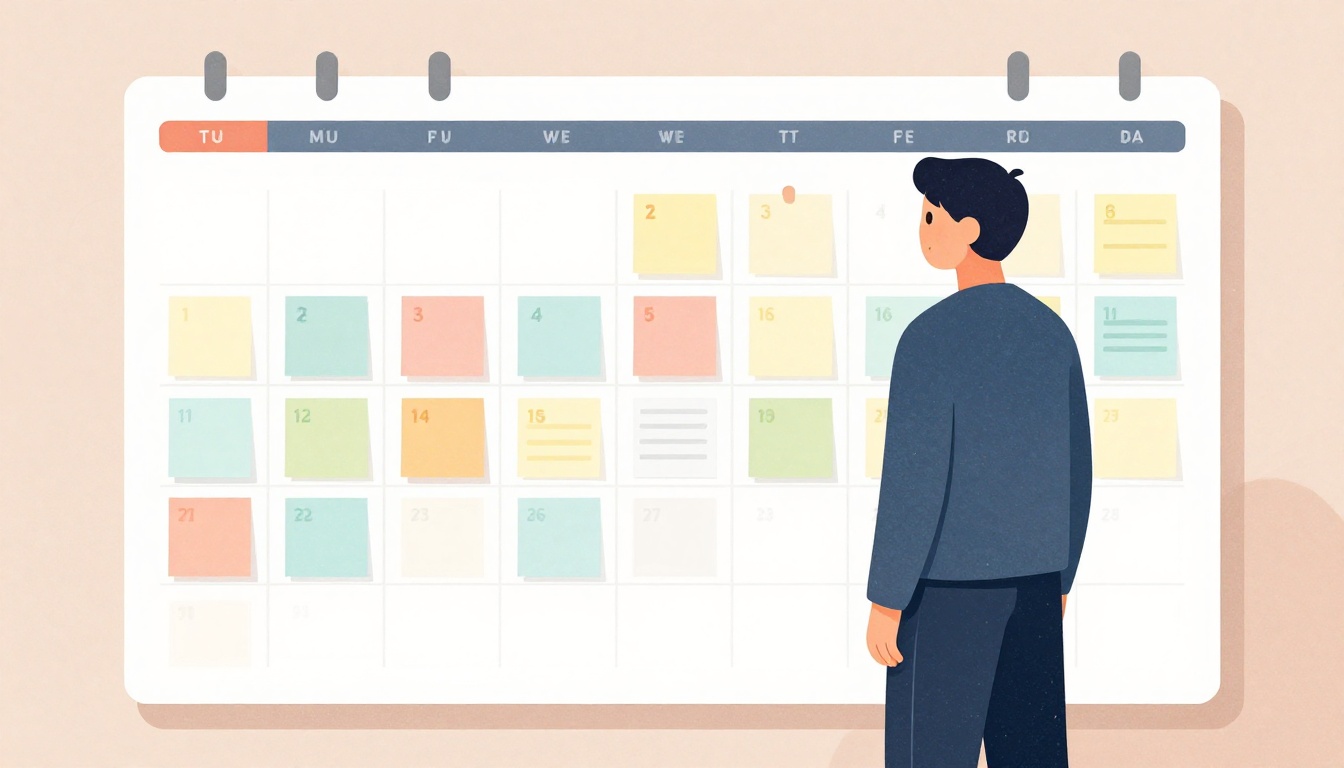
Planning an event in the Twin Cities—whether it's a wedding, corporate gathering, or backyard bash—comes with a long list of moving parts. Without a clear timeline, stress builds as deadlines creep up and details slip through the cracks. In fact, event planning is ranked as the third most stressful job globally, according to a 2023 survey. The antidote is a structured, chronological plan that breaks the work into manageable chunks. Here's a 7-step framework to build a stress-free event timeline that keeps you in control from start to finish.
What is the first step in building a stress-free event timeline?
Select one answer.
Step 1: Define your event purpose and goals
Before you book anything, clarify why you're hosting the event and what success looks like. Ask yourself: Who is the target audience? What are the key measurements for success? How will you gauge effectiveness? According to Georgia Tech's event planning checklist, determining goals and purpose is the first critical step. Write these down—they'll guide every decision from venue to menu.
Step 2: Set your date and venue early
Select a date and time that works for your hosts, VIPs, and speakers. Check community and religious calendars to avoid conflicts, and consider your audience's typical work schedule. Then, research and secure your venue well in advance—the best spaces book quickly. When evaluating venues, review A/V capabilities, parking, maximum capacity, accessibility, load-in access, and what equipment is included. Also, schedule a rain plan if your event is outdoors, and decide who will make the call to move it.
Step 3: Create a realistic budget
Your budget is your roadmap. Start by researching potential funding sources, then use a budget worksheet to plan and track every expense. Break down costs by category: venue, catering, rentals, marketing, staffing, and contingency. A realistic budget prevents last-minute financial stress and helps you make informed trade-offs. As you build your timeline, assign budget checkpoints to each major milestone.
Step 4: Build your master checklist and assign tasks
An event planning timeline is essentially a chronological checklist of all steps, stages, and deadlines. Start by listing every task from now until post-event follow-up. Then, assign each task to a specific person (even if that's just you) and set a deadline. Use a tool like a Gantt chart or a simple spreadsheet to visualize dependencies. This master plan becomes your single source of truth, reducing the anxiety of wondering what you've missed.
Step 5: Plan your timeline in phases
Break your timeline into manageable phases: 4-6 months out, 3-4 months, 1-2 months, 1 week before, and event day. For each phase, define concrete tasks. For example, 4-6 months ahead: set goals, date, venue, and budget. 3-4 months: book vendors, create a publicity plan, and send invitations. 1-2 months: confirm details with vendors, finalize menu, and arrange rentals. One week before: hold a pre-event logistics meeting with your team, do a walkthrough, and confirm everyone knows their responsibilities. This phased approach prevents overwhelm and keeps you focused on what matters now.
Step 6: Communicate clearly and consistently
Strong communication is one of the most effective ways to prevent stress during event planning. Schedule regular check-ins with your team, vendors, and venue. Confirm all details in writing, including dietary requirements, technical needs, and payment schedules. Clear communication reduces misunderstandings and ensures everyone is aligned. As part of your timeline, set specific dates for these check-ins.
Step 7: Prepare for the unexpected
Even with a solid plan, surprises happen. Build buffer time into your schedule and have backup plans for key elements like weather, vendor cancellations, or technical failures. Speak with vendors about refund and cancellation policies and deadlines. Determine who will make the final call on rain plans and how you'll communicate changes to guests. Being prepared for contingencies reduces stress because you've already thought through the "what ifs."
Putting it all together
A stress-free event timeline isn't about predicting every detail—it's about creating a structure that helps you stay organized and adaptable. By defining your goals, setting a budget, breaking tasks into phases, and communicating clearly, you'll move from overwhelm to a clear plan. For your next event in the Twin Cities, start with these 7 steps and watch the stress melt away.
How the Featured Expert Can Help
Brown Chicken Brown Cow is a husband-and-wife-owned catering company and food truck serving the Twin Cities with custom, scratch-made meals. They offer full-service catering and a mobile food truck, focusing on high-end flavor and personalized service. Their team can handle staffing, bar service, and cleanup, making them a valuable partner in executing your event timeline. Visit their website to learn more about their services.
Quiz: What is the first step in building a stress-free event timeline?
- Define your event purpose and goals
- Book the venue
- Create a budget
Correct answer: Define your event purpose and goals