According to Minnesota seasonal produce calendars, which items are in peak season in October?
Select one answer.
Start with the Minnesota calendar, not the menu
If you're planning an event in the Twin Cities, the hardest menu question usually isn't "what do we serve?" It's "what will actually be good that month?" Minnesota's growing season runs roughly 130 to 200 days, which means the produce that tastes best in April is not the produce that tastes best in October. Planning around that rhythm is the single biggest upgrade you can make to a seasonal event menu.
Use a month-by-month local food calendar as your starting point. CollectiveCrop's Minnesota in-season guide tracks what's peaking each month, and Minnesota Grown's What's in Season chart shows when summer produce typically hits stands. Note that exact arrival dates vary by region, so treat these as planning windows, not guarantees.
What's actually in season, month by month
Here's the practical version for Twin Cities event planning.
- Spring (April–May): asparagus, rhubarb, morels, ramps, spring greens, lettuce, radishes.
- Early summer (June): strawberries, peas, lettuce, new potatoes, honey.
- Peak summer (July–August): sweet corn, tomatoes, blueberries, peaches, cucumbers, peppers, eggplant, melons, zucchini.
- Fall (September–October): apples, pears, pumpkins, winter squash, cabbage, cranberries, potatoes, mushrooms.
- Late fall and winter (November–March): storage apples, winter squash, cabbage, potatoes, turnips, pastured meats, honey, maple syrup.
Minnesota's signature local foods — wild rice, walleye, Honeycrisp apples, maple syrup, and grass-fed cheese — are worth building a menu around because they're genuinely regional rather than generic. Farm Direct Minnesota notes that locally grown potatoes, onions, garlic, carrots, apples, winter squash, and wild rice can remain available through proper storage or preservation, which is how you keep a winter event menu from feeling like a compromise.
Match the menu to the season you're actually hosting in
Spring events
Lean into the short, sharp spring window. Asparagus and rhubarb are the anchors, with spring greens and radishes filling out lighter courses. This is a good season for plated dinners and brunch-style gatherings, because the produce is delicate and doesn't need heavy treatment.
Summer events
Summer is the easiest season to plan and the easiest to over-plan. Sweet corn, tomatoes, and berries are at their peak, so let them carry the menu instead of burying them under sauces. This is also food truck and outdoor-gathering season, which suits casual formats.
Fall events
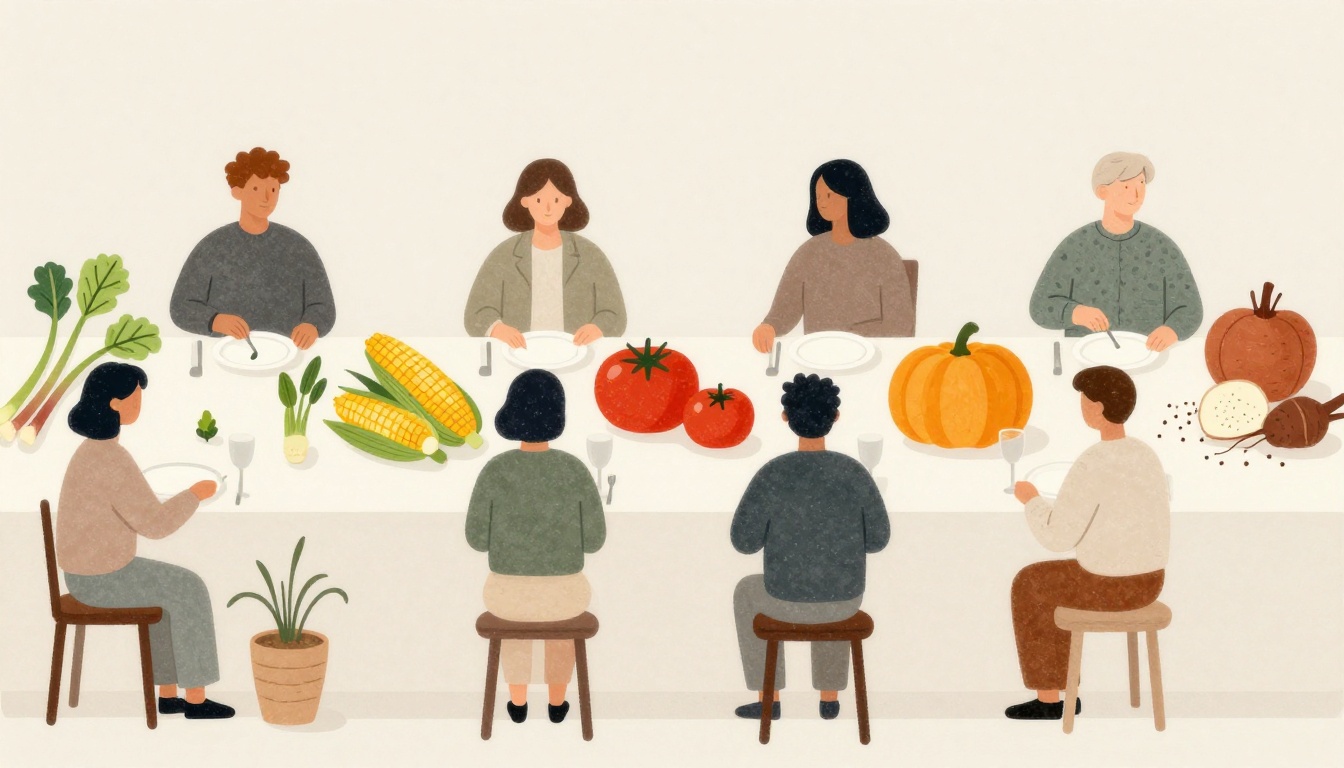
October is arguably the strongest month on the Minnesota calendar: apples, pumpkins, winter squash, cabbage, cranberries, potatoes, pears, and cider are all in peak season. A fall menu can be built almost entirely from what's available locally, which is why fall dates book up faster than any other season.
Winter events
Winter menus depend on storage crops and preserved goods rather than fresh harvest. Root vegetables, winter squash, wild rice, and pastured meats do the heavy lifting. This is the season where a scratch-made approach matters most, because there's no fresh produce to hide behind.
A practical checklist for seasonal menu planning
- Lock your date first. Season determines menu, and menu determines cost. Fall and holiday dates fill fastest, so confirm the date before you fall in love with a dish.
- Check what's in season for your specific month. Use a Minnesota in-season calendar rather than assuming.
- Decide your service style. Full-service, drop-off, and food truck formats each change what's realistic on a seasonal menu.
- Build around two or three seasonal anchors rather than trying to feature everything.
- Confirm venue rules early. Catering rules, bar requirements, setup time, and rentals all shape the menu.
- Ask about sourcing. A caterer who can tell you where the produce comes from can also tell you what to swap if a crop runs late.
Why seasonal planning pays off
Seasonal menus tend to taste better, cost less, and photograph better, because you're working with food at its peak instead of forcing out-of-season ingredients into a dish. They also give your event a sense of place. A Minnesota event in October that features apples, squash, and wild rice feels specific in a way that a generic banquet menu never will.
The other practical benefit is flexibility. When you plan by season, you already know your backup options. If asparagus runs late, you have rhubarb and spring greens. If a crop is short, you have storage crops waiting.
How the Featured Expert Can Help
Brown Chicken Brown Cow is a husband-and-wife owned catering company and food truck serving the Twin Cities. They offer full-service catering and a mobile food truck, with custom, scratch-made meals built around your event. You can see their approach and start a conversation at bcbccatering.com.
Quick quiz: test your seasonal planning knowledge
Before you book anything, check whether you've got the calendar straight.